AnIGI certified diamond has been independently examined by the International Gemological Institute and graded on four things: cut, color, clarity, and carat weight.
That's the short answer. The longer answer is why it matters: without a certificate, you're relying on the seller's description of the stone. With one, you have a third party — one with no financial stake in the sale — confirming what you're actually buying.
If you're comparing two diamonds at similar prices, the certificate is usually what explains why one is the better value.
What IGI Actually Is
IGI doesn't sell diamonds — it grades them, which is exactly why its opinion is worth trusting.
The International Gemological Institute is one of the most widely used independent grading labs in the world, and it has become the industry standard specifically for grading lab-grown diamonds. Trained gemologists examine the stone and document their findings against consistent industry standards, the same way regardless of who submitted the diamond or what it's priced at. That's the entire value of the report: it comes from someone with nothing to gain from your decision.
At North and South Jewelry, IGI is the only lab we use — not one option among several, but the standard we hold every center stone to.
What Does IGI Certified Mean?
AnIGI certified diamond has been independently examined by the International Gemological Institute and graded on four things: cut, color, clarity, and carat weight.
That's the short answer. The longer answer is why it matters: without a certificate, you're relying on the seller's description of the stone. With one, you have a third party — one with no financial stake in the sale — confirming what you're actually buying.
If you're comparing two diamonds at similar prices, the certificate is usually what explains why one is the better value.
What IGI Actually Is
IGI doesn't sell diamonds — it grades them, which is exactly why its opinion is worth trusting.
The International Gemological Institute is one of the most widely used independent grading labs in the world, and it has become the industry standard specifically for grading lab-grown diamonds. Trained gemologists examine the stone and document their findings against consistent industry standards, the same way regardless of who submitted the diamond or what it's priced at. That's the entire value of the report: it comes from someone with nothing to gain from your decision.
At North and South Jewelry, IGI is the only lab we use — not one option among several, but the standard we hold every center stone to.
The Four Grades on Every Certificate
Cut, color, clarity, and carat weight are the four things IGI grades — and cut is the one that matters most.
Cut measures how well the diamond is shaped and proportioned, graded on a scale from Excellent down through Good and Fair. A diamond cut to Excellent reflects light efficiently and looks brilliant. A diamond cut to Fair can look dull and lifeless even at a larger carat weight, because the proportions don't return light the way they should. Cut is the one grade that directly determines whether a diamond looks alive or flat — carat weight can't fix a bad cut. That's exactly why we only source Excellent cut and above — nothing lower ever reaches our collection.
Color measures how colorless the stone is. Less visible color generally reads as brighter and more desirable, and even a one-grade difference is noticeable side by side. We source F color and above for the same reason — it's the range where color stops being something you'd ever notice.
Clarity evaluates internal characteristics and surface features — inclusions and blemishes — most of which are microscopic and invisible without magnification, but which still affect how the stone is graded. We hold clarity to VS and above, which means any inclusions present are difficult to see even under magnification, let alone with the naked eye.
Carat weight is simply the diamond's weight. It's the number most buyers fixate on, and it's the least useful number on its own — which is exactly the problem the next section explains.
Sourcing this way isn't a marketing claim — it's the due diligence that means every stone we sell looks the way a diamond should, regardless of which one a customer picks.
Why Two One-Carat Diamonds Can Look Completely Different
A 1-carat diamond graded Excellent cut, and a 1-carat diamond graded Good cut are the same weight and can look like two entirely different stones.
The Excellent-cut stone returns light efficiently through its facets — it reads bright, lively, and often appears larger than its actual measurements suggest. The Good-cut stone, cut with less precise proportions, can look duller and smaller face-up, even though the scale says they weigh exactly the same.
Most buyers compare diamonds on carat weight and price alone. Neither number tells you which of those two diamonds you're actually looking at. The certificate does.
This is exactly why our own listings don't need to display a cut grade at all —every center stone we carry is already Excellent or above, so there's no lower grade to compare against in the first place.Our lab grown diamond engagement ring collection is built entirely on that standard.
Why Every Lab Grown Diamond Center Stone at North and South Jewelry Is IGI Certified
Every lab grown diamond we set is independently graded by IGI before it ever reaches a setting — not after a customer asks, and not as an upgrade.
That certification applies to the center stone specifically. Smaller side and accent stones are lab grown as well, but — like melee stones industry-wide — they aren't individually certified. What we do control there is the growing method: our lab-grown diamonds are always CVD, never HPHT.
That order matters. Certifying the center stone before it's mounted means the grading happens on the raw diamond itself, with nothing about the finished ring influencing the assessment. You're not taking our word for what you're getting — you're reading a report from a lab with no reason to inflate it.
If you're building a custom piece and choosing your own center stone, this is exactly what you'll be looking at before deciding —start your custom design here and we'll walk through the certificate, styles, and diamonds together.
If concerns about lab-grown diamonds being lesser or "not real" are part of what brought you here,that question has a direct answer, and it’s worth reading if certification is what's making you hesitate.
IGI and Lab Grown Diamonds
IGI has become one of the most widely used labs specifically for grading lab grown diamonds — which is exactly why its certificate is the standard buyers look for.
A lab grown diamond has the same physical and optical properties as a mined one, and IGI grades it the same way: cut, color, clarity, carat weight, no different standard for either origin. If you're still getting oriented on what a lab-grown diamond actually is before you get into certification,here's the full picture — the two topics go together.
What the Certificate Actually Buys You
An IGI certificate isn't paperwork you file away — it's the tool that lets you compare diamonds on quality instead of guessing from a photo.
Carat weight and price are the two numbers every listing leads with, and neither one tells you whether the stone in front of you is a bright, well-proportioned diamond or a dull one that happens to weigh the same. The certificate closes that gap. Once you know how to read cut grade specifically, you're comparing real quality — not just numbers on a page.
If you have questions about a specific certificate or want help comparing two stones side by side,reach out to our team — that's exactly the kind of question we're here for.
Frequently Asked Questions
What does IGI certified mean?
IGI certified means a diamond has been independently examined and graded by the International Gemological Institute. The certificate provides professional assessments of the diamond's cut, color, clarity, and carat weight.
Is IGI certification trustworthy?
Yes. IGI is one of the most recognized diamond grading laboratories in the world and is widely trusted by consumers, retailers, and jewelry professionals.
What is the difference between IGI and GIA?
Both IGI and GIA are reputable grading organizations. GIA is historically known for grading mined diamonds, while IGI has become a leading authority in the grading of lab-grown diamonds. Both provide independent diamond reports.
Do lab-grown diamonds need to be certified?
Certification is highly recommended. A grading report helps verify the quality and characteristics of the diamond and allows buyers to make informed comparisons.
What should I look for on an IGI certificate?
Pay close attention to the cut, color, clarity, and carat weight. For many buyers, cut is especially important because it has the greatest impact on sparkle and overall appearance.
Can I buy a diamond without a certificate?
You can, but doing so makes it much harder to verify quality and compare value. A certificate provides independent confirmation of the diamond's characteristics and helps reduce uncertainty during the buying process.
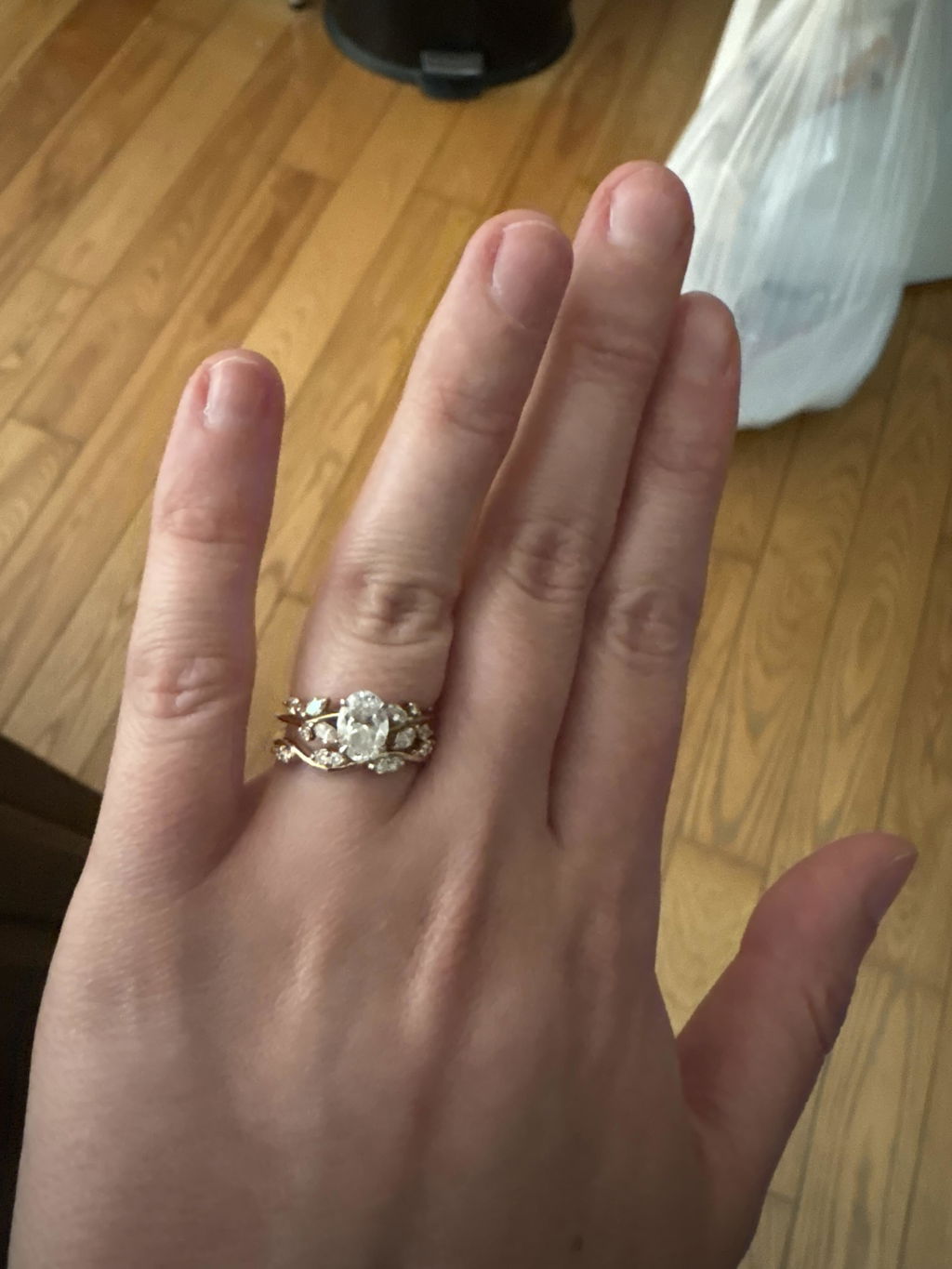
Could not be happier with the Audrey Dutch Marquise and band! Stunning clarity, shape, fit, etc. my wife has been told by multiple people it is the most beautiful ring they’ve ever seen. Also quick turnaround and communication! Have recommended to friends and will be ordering again. Thanks y’all!
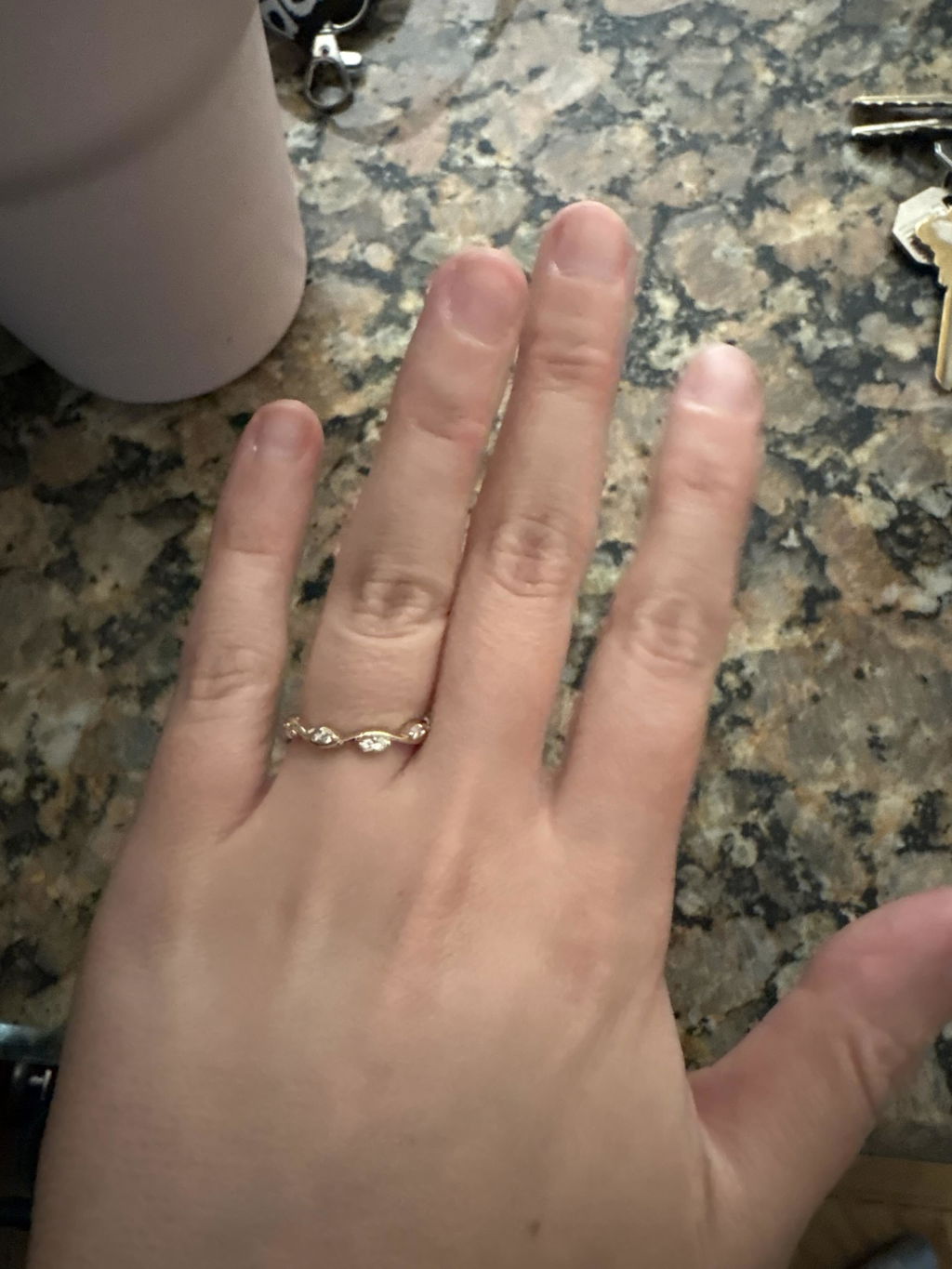
The wedding band I ordered online is perfect. It is a perfect match to my engagement ring. I struggled to find one that would match the floral design of my engagement ring, but once I came across this ring, I knew it was perfect. The ring arrived sooner than I was anticipating and surpassed my expectations.