Is My White Gold Ring Fake? Why It's Turning Yellow After 6 Months
February 17, 20267 min read
If your diamond engagement ring is starting to look slightly yellow after a few months of wear, you are not alone. Many people notice this change and immediately worry that their ring might not be real white gold. The truth is far less alarming and has everything to do with how white gold is made and maintained.
This guide explains why white gold changes color, how rhodium plating works, and what normal care looks like. It also outlines how North South Jewelry approaches white gold craftsmanship and long-term care so you know exactly what to expect.
The Sinking Feeling Many Ring Owners Experience
You bought a bright, silvery white gold ring. It looked flawless at first. Then slowly, the underside of the band starts looking warmer or yellowish.
That moment often leads to one thought: Did I get scammed?
Fortunately, this color change is not a sign of fake gold or poor quality. It is a normal characteristic of white gold jewelry that many buyers are not told about clearly.
Why This Feels Concerning at First
When a white gold ring starts showing yellow warmth underneath, it can feel alarming. Most buyers are never told thatwhite gold is coated with rhodium to achieve its bright finish.
As the plating wears, the natural alloy becomes visible. Seeing that yellow tone can trigger doubt, even though it is completely normal and expected over time. The change is gradual, predictable, and not a sign of poor quality or fake metal.
How North & South Jewelry Helps
Their rings use palladium-based white gold alloys that stay whiter longer.
Professional re-dipping restores the finish to its original bright appearance.
Routine maintenance ensures your ring always looks its best without altering its structure.
White Gold Is an Alloy, Not a Naturally White Metal
Gold is naturally yellow. There isno such thing as pure white gold in nature.
To create white gold, jewelers mix yellow gold with lighter metals like palladium, silver, or nickel. This process softens the yellow tone but does not remove it entirely. Even high-quality white gold retains a subtle champagne warmth beneath the surface.
The bright white finish most people associate with white gold comes from rhodium plating applied on top of the finished white gold jewelry. Without rhodium, the ring would appear slightly warmer, which is normal and expected.
After white gold is properly combined and created,it is coated with a thin layer of rhodium. Rhodium is a bright, highly reflective metal from the platinum family. It creates the crisp white appearance most people expect.
The plating is extremely thin and not permanent.Over time, normal wear gradually reveals the warmer white gold alloy beneath.
Why Your Ring Is Turning Yellow
The yellow tone appearing on a white gold ring is the natural color of the gold becoming visible as the rhodium plating wears down. This changehappens gradually and is most noticeable in areas that experience the most contact.
Daily friction from your skin, contact with hard surfaces, and regular hand washingall contribute to thinning the rhodium layer over time. Rhodium plating is extremely thin, just your usual daily wear is enough wear for the underlying warmth of the metal to show through.
Everyday Wear Causes Gradual Change
Rhodium plating wears down over time due to:
Friction from daily wear
Contact with skin oils
Exposure to hard surfaces
Repeated hand washing
Because theunderside of the ring touches your skin and surfaces more often, it is usually the first area where the plating wears away.Once that happens, the natural warmth of the gold alloy becomes visible.
This does not mean the ring is damaged or low quality. It simply means the rhodium layer has done its job and now needs a replating.
Think of White Gold Like a Professional Paint Job
A helpful way to understand white gold is to think of it like a professional paint finish for a car. The coating enhances appearance, but the value and strength comes from the material underneath.
The bright white finish you see is a surface layer, similar to a high-quality paint coating.
The underlying metal provides strength and value, while the finish enhances appearance.
Over time, everyday use causes gradual wear to the surface, not the actual white gold jewelry.
High-contact areas show wear first, just like frequent sun-kissed areas on a painted surface.
Replating the rhodium finish restores the original look without replacing the item.
Routine upkeep is expected and helps maintain appearance over long-term use.
How Often Does Rhodium Plating Wear Off?
Rhodium plating wears off gradually and at different rates for each person. On average, most white gold rings begin to show signs of wear within six to eighteen months of regular use.
The lifespan of the plating depends on several factors, includinghow often the ring is worn, daily activities, skin chemistry, and exposure to friction or chemicals.Rings worn every day typically require more frequent re-plating than those worn on occasions.
Typical Timeline for Re-Dipping
Most white gold rings require re-rhodium plating every 6 to 18 months. The exact timing depends on:
How often the ring is worn
Skin chemistry
Daily activities
Exposure to chemicals or abrasion
This applies equally to simple bands and more detailed designs such as aRadiant cut engagement ring, where intricate settings may experience uneven wear.
The Standard Fix: Professional Re-Dipping
Professional re-dipping is the standard method used to restore the bright white appearance of a white gold ring once the rhodium layer begins to wear. This process does not change the structure of the ring or affect the gold itself.
During servicing, the ring is gently cleaned and lightly polished to remove surface wear before a new layer of rhodium is applied. The plating refreshes the finish and returns the ring to its original look.
What Happens During Re-Rhodium Plating
A professional redip involves:
Light buffing to remove surface wear
Cleaning to prepare the metal
Reapplying rhodium for a fresh white finish
This process restores the ring’s original appearance without altering its structure.
At North & South Jewelry, rhodium servicing is part of ongoing professional care. Their approach focuses on preserving the integrity of the piece rather than masking wear.
The alloy used in white gold directly affects its color, durability, and maintenance needs. Because pure gold is naturally yellow, it must be mixed with other metals to achieve a lighter appearance and improved strength.
Some alloys create a whiter base color than others. Palladium-based white gold alloys, for example, tend to appear brighter beneath the rhodium plating, which can make the transition less noticeable as the surface layer wears over time.
Palladium-Based White Gold Explained
Not all white gold alloys behave the same way. Some alloys stay whiter beneath the rhodium layer than others.
However, even palladium-based white gold will eventually show warmth. Rhodium maintenance remains a standard part of ownership.
White Gold vs Other Metal Options
Metal Type
Natural Color
Maintenance Needs
Common Use
White Gold
Warm champagne
Periodic rhodium plating
Engagement rings, wedding bands, fine jewelry
Yellow Gold
Yellow
Minimal
Engagement rings, wedding bands, fine jewelry
Platinum
White-gray
Polishing only
Higher end jewelry
White gold remains a popular choice because it balances brightness, strength, and cost. Many shoppers choose it fordiamond engagement ringsettings because it complements diamond brilliance while remaining durable.
Choosing the Right Engagement Ring Style
When browsing styles, metal behavior is just as important as diamond shape. If you are exploring options, North & South Jewelry offers a curated selection of diamond engagement rings designed with long-term wear in mind:
These designs consider structure, setting security, and metal choice without making unrealistic durability claims.
Consider your lifestyle first:Engagement rings worn daily should balance design and durability. Low-profile settings and secure prongs tend to hold up better for active routines.
Understand how metal choice affects maintenance:White gold offers a bright appearance but requires periodic rhodium plating. Knowing this upfront helps set realistic care expectations.
Think about long-term comfort:Band width, ring height, and interior shaping can affect how the ring feels during extended wear, especially for everyday use.
Match the setting to the diamond shape:Certain styles complement specific cuts. For example, aRadiant cut engagement ringoften pairs well with settings that protect corners while enhancing brilliance.
Caring for Your White Gold Ring Day to Day
Daily habits play an important role in how long the rhodium finish on a white gold ring lasts. While normal wear cannot be avoided entirely, mindful care can help reduce unnecessary friction and surface abrasion over time.
It is best to remove your white gold ring during activities that involve heavy contact or pressure, such as exercising, cleaning, or lifting objects. Exposure to household chemicals, soaps, and lotions can also accelerate wear on the rhodium layer and should be minimized when possible.
Simple habits can slow rhodium wear:
Remove rings during heavy activity
Avoid harsh chemicals
Store separately from other jewelry
Schedule periodic inspections
While these steps help, they do not eliminate the need for professional servicing.Maintenance is part of owning fine jewelry.
Local Support and In-Person Service
For those who prefer in-person guidance, North & South Jewelry welcomes visitors. You can view their verifiedbusiness location here:
This allows customers to discuss ring care, resizing, and maintenance directly with professionals.
Conclusion: Yellowing Does Not Mean Fake
If your white gold ring is turning yellow, it does not mean it is fake or poorly made. It means the rhodium plating is wearing as expected. This is normal, predictable, and fixable.
White gold is a combination of white metals mixed with natural yellow gold, not a solid white metal. Understanding this helps set realistic expectations and protects your investment long-term.
If you have questions about servicing, maintenance, or choosing the right metal for your lifestyle,contact us todaythrough North & South Jewelry.
Frequently Asked Questions
Is white gold supposed to turn yellow?
Yes. The yellow tone is the natural color of the gold alloy beneath the rhodium plating.
How often should I re-rhodium my ring?
Most rings need re-dipping every 6 to 18 months depending on wear.
Does rhodium plating protect the ring?
Rhodium improves appearance and surface durability but does not prevent all wear.
Is white gold less valuable than yellow gold?
No. The value depends on gold content and craftsmanship, not color.
Will a Radiant cut engagement ring wear faster?
The cut does not affect wear. However, intricate settings may show plating wear sooner in high-contact areas.
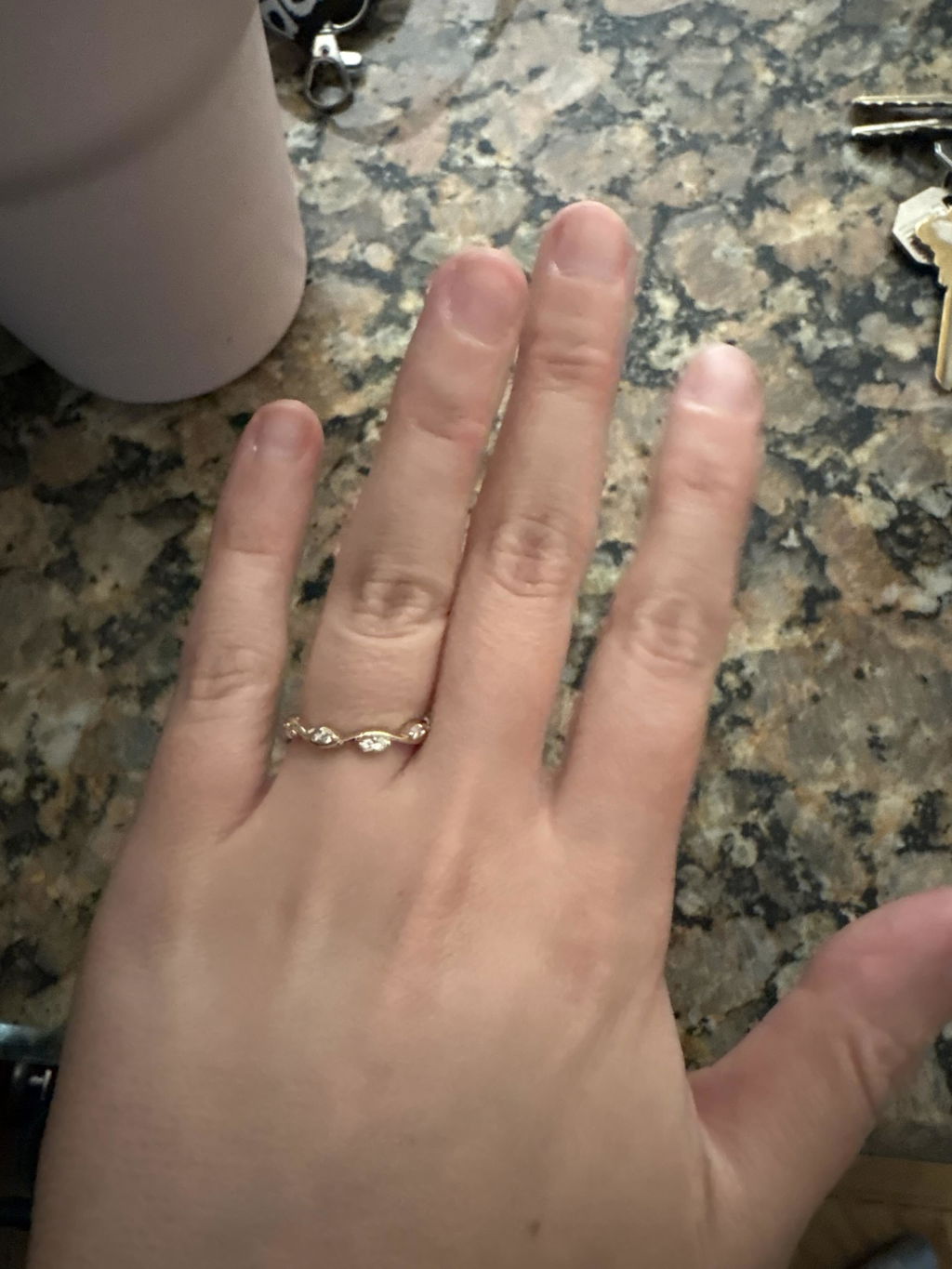
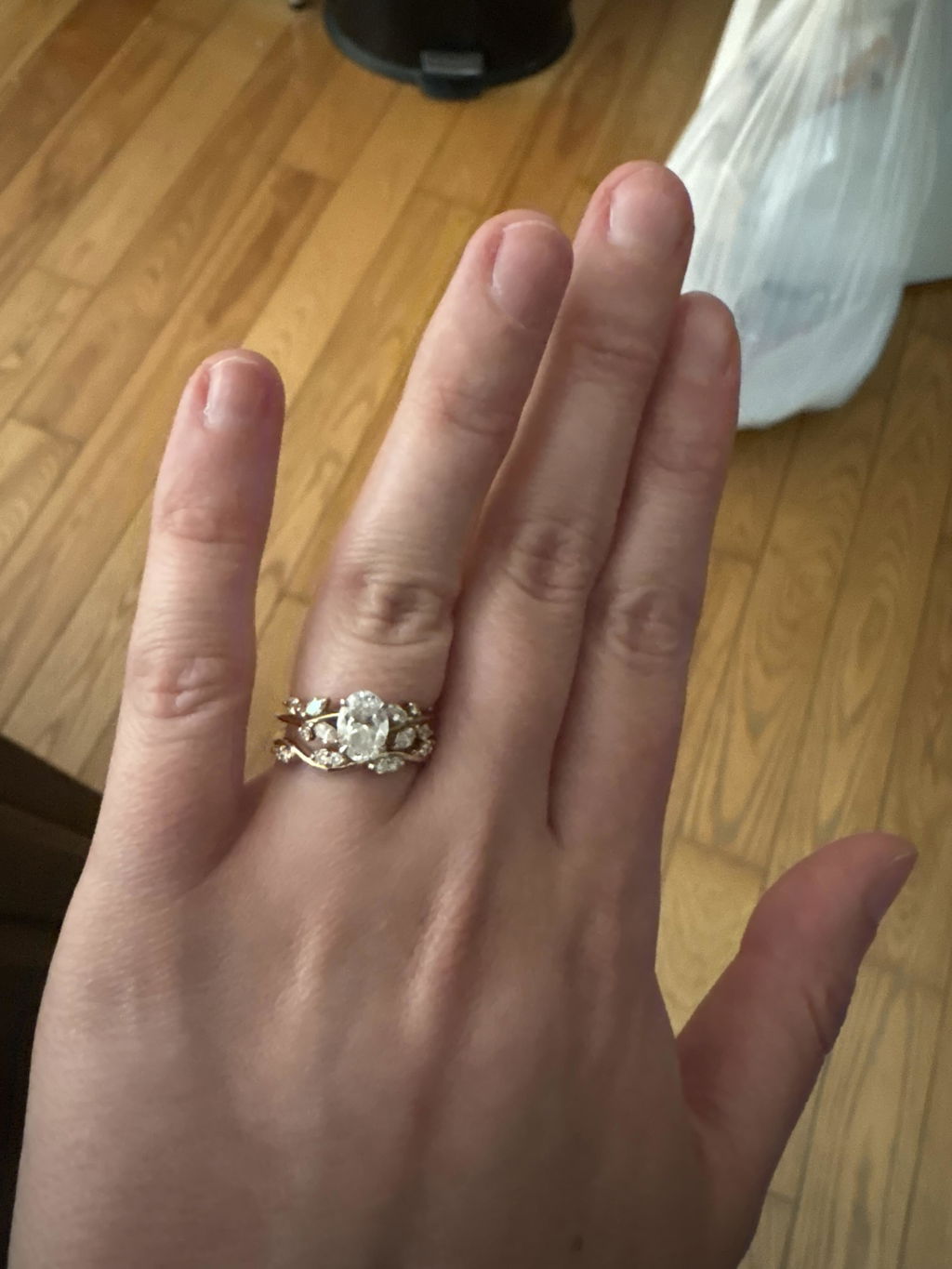
Could not be happier with the Audrey Dutch Marquise and band! Stunning clarity, shape, fit, etc. my wife has been told by multiple people it is the most beautiful ring they’ve ever seen. Also quick turnaround and communication! Have recommended to friends and will be ordering again. Thanks y’all!
The wedding band I ordered online is perfect. It is a perfect match to my engagement ring. I struggled to find one that would match the floral design of my engagement ring, but once I came across this ring, I knew it was perfect. The ring arrived sooner than I was anticipating and surpassed my expectations.



 You bought a bright, silvery white gold ring. It looked flawless at first. Then slowly, the underside of the band starts looking warmer or yellowish.
 Gold is naturally yellow. There is
 After white gold is properly combined and created,