Are Lab-Grown Diamond Engagement Rings a Smart Valentine’s Day Investment in 2026?
January 30, 20266 min read
Valentine’s Day proposals usually come with a mix of excitement and quiet pressure. You want the moment to feel right — not rushed, not overdone, and not followed by regret once the emotion settles. For many couples in 2026, that’s where lab-grown diamond engagement rings enter the conversation.
This guide looks at lab-grown diamond engagement rings the way most people experience them in real life: how they feel to give, how they fit into everyday wear, and whether they still feel like the right decision long after the proposal. Because when you’re choosing a ring for a moment like this, the smartest investment is one you won’t second-guess.
Understanding Lab Grown Diamond Engagement Rings
Lab-grown diamond engagement rings are made using advanced processes that recreate the conditions under which diamonds naturally form.The result isn’t an imitation; it’s a real diamond, with the same structure as a mined one. What’s different is the origin, not the outcome.
How Lab Diamonds are Made
High Pressure High Temperature (HPHT):Simulates natural diamond formation under extreme pressure and heat.
Chemical Vapor Deposition (CVD):Uses carbon-rich gases to grow diamonds layer by layer.
Because lab-grown diamonds are created under controlled conditions, buyers often experience more consistency when choosing size, clarity, and overall quality. This predictability can make the decision process feel simpler and more confident, especially when timing matters, such as a Valentine’s Day proposal.
Cost Considerations and Value
Cost is one of the main reasons couples consider lab-grown diamond engagement rings, especially around Valentine’s Day when timing and budgets often intersect. Lab-grown diamonds are typically priced lower than mined diamonds with similar visual and physical qualities, which gives buyers more flexibility without sacrificing appearance
While lab diamonds are durable and beautiful, resale value is generally lower than mined diamonds. They arebest considered an investment in beauty, ethical sourcing, and quality rather than a financial asset.
Feature
Lab Grown Diamonds
Mined Diamonds
Price
Lower cost per carat
Exceptionally Higher cost per carat
Resale Value
Lower resale market
Higher resale market
Ethical Sourcing
Eco-friendly, lab-created
Often mined, potential ethical concerns
Quality & Brilliance
Identical to mined diamonds
Natural variability
Despite resale considerations, the value oflaboratory diamond engagement ringslies in owning a high-quality, sustainable diamond that fits both your style and ethical priorities.
Factors That Make Lab Diamonds a Smart Choice
Beyond price, for many couples, the decision is tied to values, consistency, and how the ring fits into their modern lives.
Ethical and Sustainable Sourcing
Lab grown diamond engagement ringsare eco-friendly and conflict-free, avoiding many of the environmental and human rights issues associated with mined diamonds.
Sustainability and ethical practices are values that align with many couples today.importance, Lab diamonds reflect a modern, conscious lifestyle. Buyers can enjoy high-quality stones without compromising on values.
Wipe with a soft cloth to remove fingerprints, oils, and residue.
Remove rings during activities like cleaning, exercising, or applying lotions.
Avoid harsh chemicals that may damage the metal setting.
Monthly and Yearly Maintenance
Task
Monthly
Yearly
Cleaning
Warm water and mild soap, soft brush
Professional cleaning and polishing
Inspection
Check prongs and settings
Full professional inspection
Storage
Separate soft-lined jewelry box
Safe, climate-controlled environment
Regular maintenance keeps yourlaboratory diamond engagement ring sparkling and ensures that the stone and setting remain secure.
Comparing Lab Grown vs. Mined Diamonds as Investments
When comparing lab-grown and mined diamonds, the differences matter most in how they’re purchased and valued over time. Both types of diamonds share the same hardness, durability, and brilliance, making them equally suitable for everyday wear.
Longevity and Durability
Both lab grown and mined diamonds are rated 10 on the Mohs scale. With proper care, yourlab grown diamond engagement ringwill last a lifetime.
Cost vs. Resale
Lab diamonds provide excellent value for upfront cost but are not typically considered financial investments due to lower resale demand. They excel aspersonal and ethical investmentsin beauty and quality.
Predictability of Quality
Laboratory diamonds offer consistent quality, while mined diamonds may vary. This predictability allows buyers to select precisely what they want in cut, clarity, and size.
Tips for Maximizing the Value of Your Lab Grown Diamond
Owning alab grown diamond engagement ringis both a personal and meaningful investment. While lab diamonds may not have the same resale market as mined diamonds, there are several ways to protect your purchase, maintain its beauty, and maximize its long-term value.
Keep purchase documentation and certification for appraisal purposes.
Maintain your ring with regular cleaning and professional check-ups.
Consider insurance for added protection.
Where to Buy Lab Grown Diamond Engagement Rings
Choosing a trusted jeweler is especially important when purchasing an engagement ring for occasions like Valentine’s Day, when timing, quality, and confidence in your decision matter most. Lab grown diamond engagement rings should be sourced from retailers that clearly present diamond specifications, craftsmanship standards, and care guidance.
When shopping for Valentine’s Day or planning ahead, look for jewelers that specialize inlaboratory diamond engagement rings, offer transparent pricing, and provide clear information about diamond quality and settings. A reputable jeweler should also support you beyond the purchase, helping with proper care, sizing guidance, and maintenance recommendations.
North & South Jewelryfocuses on high-quality lab grown diamond engagement rings and laboratory diamond engagement rings. The team provides guidance on selection, maintenance, and long-term care. For reviews and location, check their Google Business page.
Conclusion: Are Lab Grown Diamond Engagement Rings a Good Investment?
Lab-grown diamond engagement rings are best understood as a personal investment rather than a financial one. They offer real diamonds, consistent quality, and more flexibility in how buyers allocate their budget
For Valentine’s Day proposals, the decision is often shaped by timing and emotion rather than long-term speculation. The lower upfront cost and clearer sourcing remove some of the pressure that can come with proposing on a specific date, allowing the focus to stay on the moment itself.
With thoughtful selection and regular care, a lab-grown diamond engagement ring can remain meaningful and beautiful long after the proposal. Not because it was chosen for resale potential, but because it was chosen intentionally — and worn that way.
FAQ Section
Q1: Are lab grown diamonds durable enough for everyday wear? Yes, lab grown diamonds share the same hardness and durability as mined diamonds. With proper care, they are well suited for everyday wear, including during special occasions like Valentine’s Day.
Q2: Do lab grown diamond engagement rings hold their value over time? Lab grown diamonds typically have lower resale value than mined diamonds. However, they provide strong value through quality, affordability, and responsible sourcing, making them a thoughtful choice for meaningful moments such as Valentine’s Day.
Q3: How should I care for a lab grown diamond engagement ring? Care is simple and realistic. Occasional warm water, mild soap, and a soft brush keep the diamond clear. It is also best to avoid harsh chemicals, remove the ring during strenuous activities, and arrange professional inspections annually to keep it in good condition.
Q4: Are lab grown diamonds certified? Yes. Reputable lab-grown diamonds are independently certified and graded for cut, color, clarity, and carat
Q5: Are lab grown diamonds considered environmentally responsible? Lab grown diamonds are created in controlled environments, which reduces environmental disruption and avoids concerns associated with traditional mining practices.
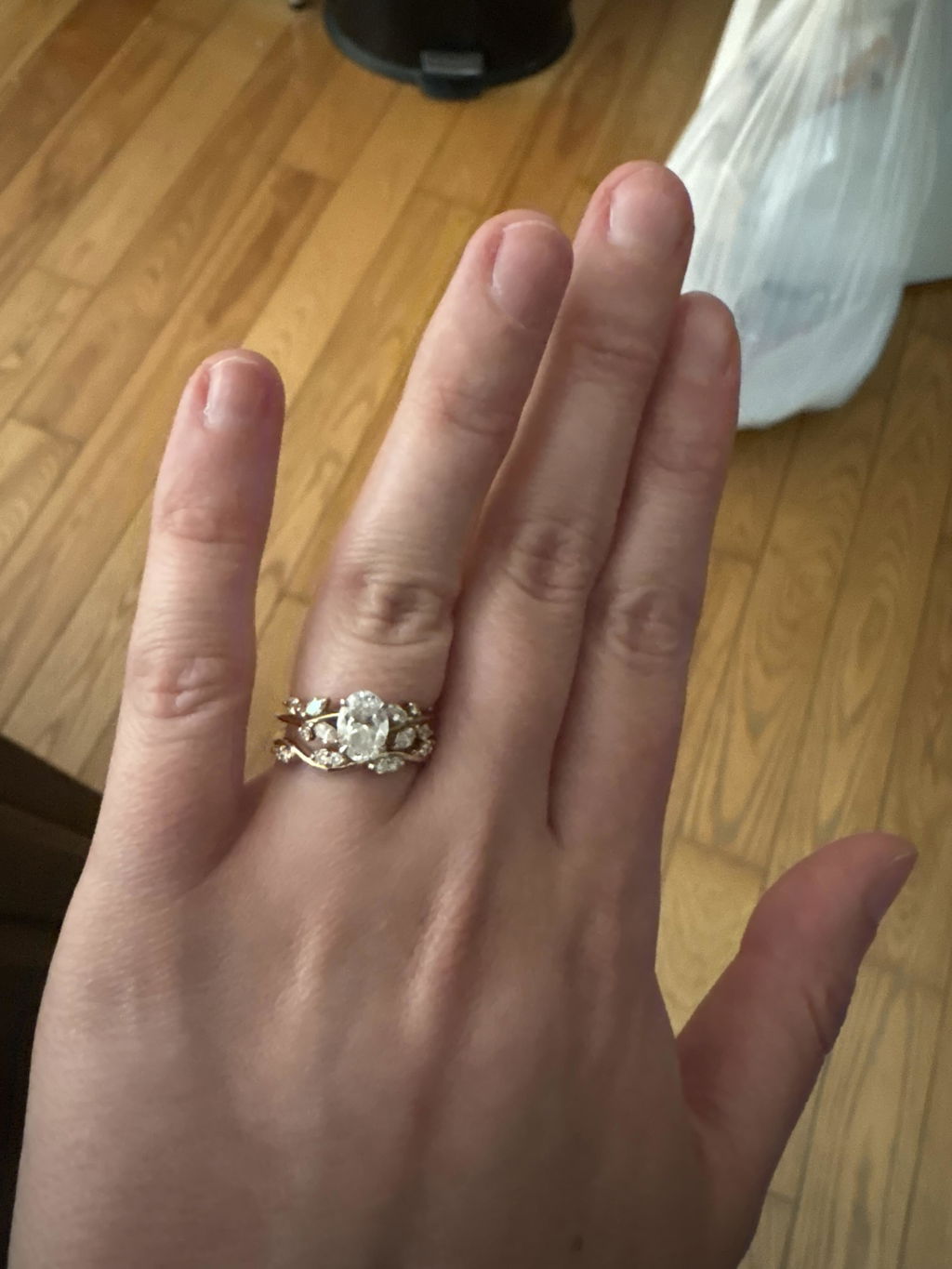
Could not be happier with the Audrey Dutch Marquise and band! Stunning clarity, shape, fit, etc. my wife has been told by multiple people it is the most beautiful ring they’ve ever seen. Also quick turnaround and communication! Have recommended to friends and will be ordering again. Thanks y’all!
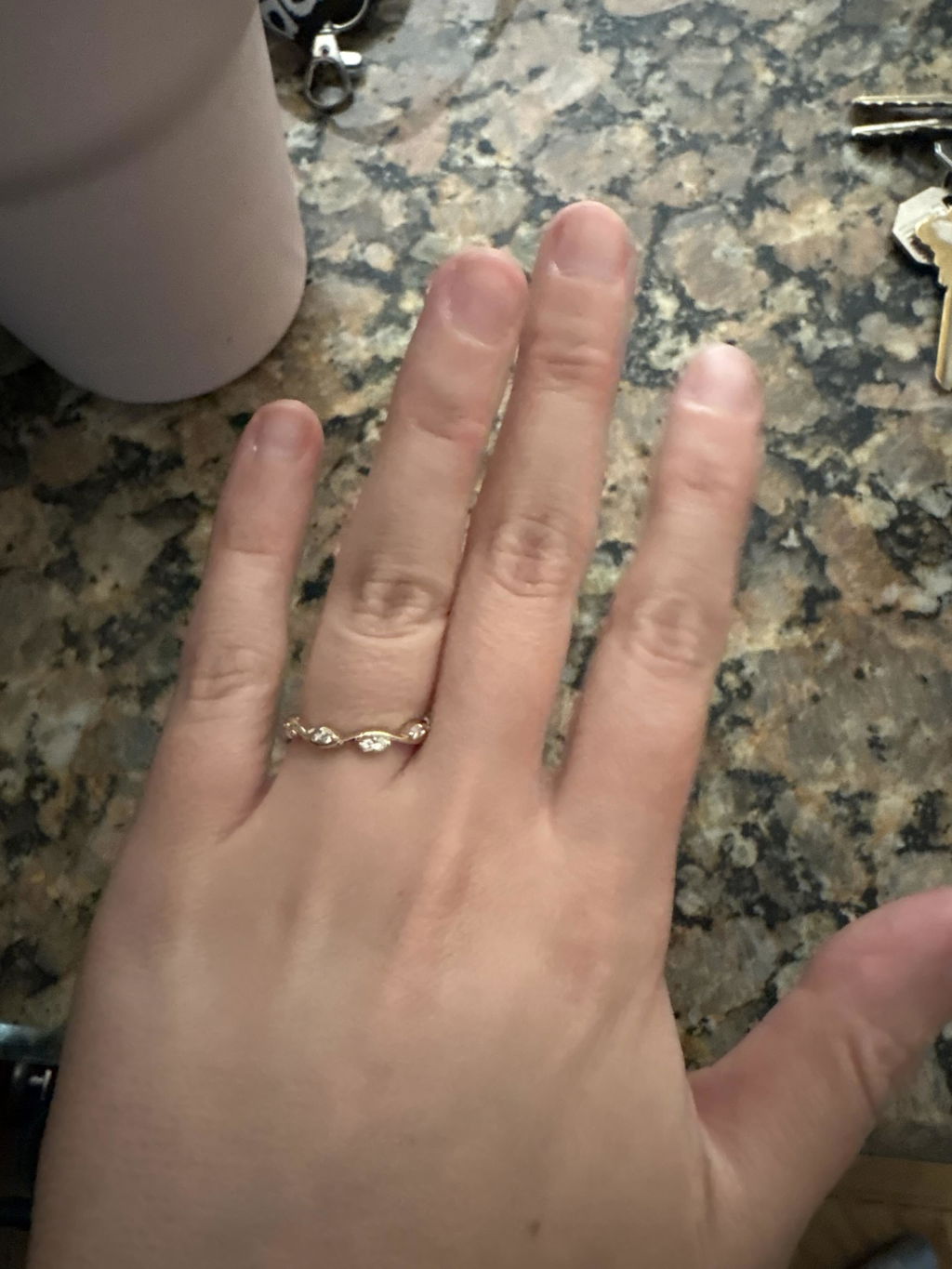
The wedding band I ordered online is perfect. It is a perfect match to my engagement ring. I struggled to find one that would match the floral design of my engagement ring, but once I came across this ring, I knew it was perfect. The ring arrived sooner than I was anticipating and surpassed my expectations.



 Lab-grown diamond engagement rings are made using advanced processes that recreate the conditions under which diamonds naturally form.