Every diamond shape has a visual personality — and it comes from geometry, not astrology.
Oval reads modern and elongating. Round reads timeless and light-maximizing. Marquise reads bold and dramatically elongating. Cushion reads soft and romantic. Radiant reads structured and brilliant. Emerald reads architectural and refined. Princess reads sharp and contemporary. Hexagon reads unconventional and intentional.
Those aren't marketing labels. They're the direct result of how each shape is cut — how the facets are arranged, how that arrangement interacts with light, and how the stone's face-up area reads against the proportions of the hand wearing it. Understanding that mechanism is what separates a shape you chose because it looked good in a photo from one you chose because you understood exactly what it does every day.
Oval — Modern, Elongating, and Endlessly Versatile
The oval is the shape that reads contemporary without ever feeling temporary.
Its elongated face-up area distributes the stone's visual weight along the finger length rather than concentrating it in a circle — which creates a natural lengthening effect no round shape can replicate. It works equally well in a clean solitaire shank or a pavé band, making it one of the most setting-flexible shapes available. Oval has been one of the fastest-rising shapes for the past decade and shows no sign of reversing — a rare case where what's popular and what's genuinely flattering are the same answer.
Marquise — Bold, Elongating, and Unmistakably Distinctive
The marquise is the most elongating shape available — and the one with the largest face-up area per carat of any cut.
Its pointed ends push the length-to-width ratio further than oval, pear, or any other elongated shape, which means it makes the stone appear larger than its carat weight suggests and creates the most dramatic finger-lengthening effect of any shape. Where oval elongates softly and reads versatile, marquise elongates dramatically and reads bold — same visual direction, completely different personality. Like oval, marquise is having a strong moment right now, but its character runs deeper than trend.
Round Brilliant — Timeless, Light-Maximizing, and Universally Flattering
The round brilliant is the shape that prioritizes light performance above everything else — and it's been the most popular engagement ring shape in the world for generations because of it.
Its 58 precisely angled facets are optimized for total internal reflection — more light is returned to the eye than any other cut, which produces the rapid scintillation most people picture when they think of a diamond. It's also the most setting-flexible and band-flexible shape, working beautifully with virtually every design. The round brilliant doesn't go out of style because it exists outside trend cycles — it's the standard everything else is measured against.
The cushion is a softer version of the radiant — fully rounded corners instead of cropped, and a facet arrangement that produces a warmer, gentler light performance.
Where a radiant reads structured and precise, a cushion reads inviting and romantic — the rounded corners soften the geometric edges that make square cuts feel sharp. It sits in the space between classic and distinctive: more character than a round, more softness than a princess. For buyers who want brilliance with warmth rather than brilliance with edge, the cushion is the shape that delivers it.
Radiant — Structured, Brilliant, and Quietly Underrated
The radiant cut is the answer for buyers who want an elongated rectangular shape without sacrificing the light performance of a brilliant cut.
Where the emerald cut produces broad dramatic flashes through step-cut faceting, the radiant produces intense scintillation through brilliant-cut faceting inside the same rectangular outline — more sparkle, sharper presence, more visual energy. It's the cushion's more structured sibling: same brilliant-cut family, different silhouette. Buyers who are drawn to the emerald's shape but want more light return often find the radiant is exactly what they were looking for.
Emerald — Architectural, Refined, and Quietly Captivating
The emerald cut produces a completely different kind of light performance — not more or less than a brilliant cut, but fundamentally different.
Its step-cut facets reflect light in large flat planes rather than refracting it into points, creating broad dramatic flashes known as the hall of mirrors effect rather than the rapid scintillation of a brilliant cut. This is worth knowing before choosing it: buyers who expect round-brilliant-style sparkle sometimes find the emerald surprising at first. Once you understand what it does — how it glows rather than dazzles, how it rewards the wearer rather than the room — it's one of the most captivating light performances in fine jewelry. It's also the shape that communicates the most deliberate design sensibility of any cut.
Princess — Sharp, Geometric, and Brilliantly Modern
The princess cut combines the clean square outline of a geometric shape with brilliant-cut faceting — structured presence without sacrificing light performance.
Its sharp corners create strong visual contrast that reads contemporary and precise, while the brilliant-cut facet arrangement underneath delivers sparkle closer to a round than to a step cut. It's the shape for buyers who want clear visual definition — a ring that reads architectural and modern without the understated quality of the emerald. Corner prongs at the tips are standard on princess cuts and occasionally catch more than side prongs in daily wear, though this is rarely a significant issue at normal wear conditions.
Hexagon — Unconventional, Geometric, and Intentional
The hexagon is not a shape you end up with by accident — it's a deliberate design choice that communicates exactly that.
Six flat sides and a geometric outline that sits completely outside the traditional round-and-rectangular family. Its faceting varies — step-cut, brilliant-cut, or mixed — but the silhouette is always the statement. Buyers drawn to the hexagon tend to have a strong and specific aesthetic sensibility: architectural, fashion-forward, unconventional. It reads best on hands with visible finger length, where the full six-sided profile has space to show itself without being crowded.
The shape that looks best on your hand depends on proportion — how the stone's face-up area reads against your finger length and width.
Elongated shapes — oval, marquise, radiant, and pear — work particularly well on shorter or wider fingers. The stone's length-to-width ratio runs along the finger rather than across it, creating a visual lengthening effect that compact shapes don't produce. On longer fingers, these same shapes read dramatic and striking rather than lengthening — the finger already has length, so the elongation becomes a style statement rather than a proportion correction.
Compact shapes — round, cushion, and princess — suit longer fingers well. Their face-up area reads proportionally without over-elongating a finger that doesn't need it. On petite or smaller hands, a larger stone can overwhelm — oval and marquise in a moderate carat weight keep proportion clean while still elongating.
Emerald and radiant cut read particularly well on wider hands or broader finger beds. Their rectangular face-up area complements the wider canvas rather than fighting it. Hexagon benefits from visible finger length — its six-sided profile needs space to breathe and show its full geometry.
Shape and Band Pairing — The Decision Most Buyers Make Too Late
The shape you choose today determines which wedding bands will ever sit flush alongside it — and most buyers find this out after they're already in love with the ring.
Elongated shapes — oval, marquise, radiant — pair naturally with thin to medium bands including pavé. The elongation of the center stone does the visual work; the band complements rather than competes. A contoured or curved band follows the silhouette and sits flush more naturally alongside these shapes than a straight band does.
Brilliant cuts — round, cushion, princess — are the most band-flexible family. Their compact face-up area reads proportionally with thin solitaire shanks, standard pavé bands, and wider accent bands equally well. If future stacking matters, starting with a brilliant cut keeps the most options open.
Step cuts — emerald — pair best with a clean straight band. The architectural geometry of the emerald cut is complemented by simplicity. A heavily decorated band creates visual competition with the stone's refined character rather than harmony with it.
Geometric cuts — hexagon — work well with a plain solitaire shank that lets the six-sided outline read clearly. A pavé band works when the stone is large enough to hold its own against the band detail.
This is the invisible constraint most engagement ring guides never name. The setting height also plays a role — low-profile settings will always have a gap between the engagement ring and wedding band regardless of shape. If flush fit matters to you, understanding setting height before choosing is as important as understanding shape.[Our guide on engagement ring and wedding band gaps] covers this in full. — [placeholder link to gap problem blog]
Wearability and Lifestyle — How Your Shape Lives on Your Hand
The most important wearability rule applies to every shape equally: remove your ring for heavy hand use.
Gold is a soft metal. Gym workouts, gardening, heavy lifting, and anything involving significant force or impact can bend the band, loosen prongs, or damage the stone regardless of shape, setting style, or prong configuration. No shape is immune. This isn't a shape decision — it's a habit that protects any ring you wear.
Beyond that, here's how different shapes live differently in daily wear:
Practical daily wear:
Oval, cushion, and round are the most forgiving shapes for active daily wear — no points or sharp corners, curved profiles that move naturally with the hand.
Elongated shapes with pointed ends — marquise especially — have corner prongs at the very tips that sit at the outermost points of the stone. These occasionally catch more than side prongs in day-to-day wear, though it's not a common complaint at normal wear conditions.
Emerald cut shows contact marks, oils, and fingerprints more readily than brilliant cuts because the large open step-cut facets don't scatter light the way brilliant facets do. Not damage — just more visible between cleans. Weekly cleaning matters more for this shape than others.
Aesthetic lifestyle matching:
Fashion-forward or trend-aware: oval and marquise are both having a strong cultural moment and read unmistakably current without feeling disposable.
Artistic or unconventional: hexagon and emerald cut both communicate a deliberate design sensibility — not chosen by default, chosen with intention.
Classic and enduring: round brilliant exists outside trend cycles entirely — it has never gone out of style and the geometry that makes it beautiful doesn't change with time.
Romantic: cushion — the soft curves read warmer and more inviting than any other shape.
Bold and distinctive: marquise — the shape that gets noticed across a room without needing size to do it.
Quiet confidence: emerald — rewards the wearer rather than the room.
If you've worked through all of this and have a clear picture of the shape, the hand, and the lifestyle — that's exactly where the custom process begins. Not choosing from a catalog but designing something built around your specific vision. For buyers who want the lowest possible copper content in the alloy alongside their chosen shape, 18K solid gold is available through the custom process on request.Start the custom conversation here.
The Shape That Feels Right Is the Right Shape
At North and South Jewelry every ring is set in 14K solid gold with an IGI certified lab grown diamond — independently graded for cut, color, clarity, and carat weight before it reaches the setting.
The shape is the most personal part of the decision. Specifications can be compared on a spreadsheet. The shape is what you see every time you look down at your hand — the silhouette that becomes as familiar as your own finger. Choose the one whose visual personality matches yours, not the one that ranked highest in a guide.
If you're ready to see these shapes in real settings, [our full engagement ring collection] is organized by shape. If you have a specific shape in mind and want to explore what's possible beyond the catalog, [reach out before you decide] — that's the kind of conversation we're built for. — [placeholder links to collection and contact page]
Frequently Asked Questions
What does an oval diamond say about you?
An oval diamond communicates modern elegance and versatility — it's a shape that reads contemporary without trend-chasing, and flattering on almost every hand type. Its elongated face-up area creates a natural finger-lengthening effect that no compact shape replicates.
What is the most popular engagement ring shape?
The round brilliant has been the most popular engagement ring shape for generations because it’s optimized for brilliance and produces more light return than any other cut. Oval and marquise are both experiencing significant popularity right now as the leading alternatives.
What diamond shape looks biggest on the finger?
Marquise has the largest face-up area per carat of any shape — its pointed ends push the length-to-width ratio further than any other cut, making it appear larger than its carat weight suggests. Oval and radiant also appear larger than round diamonds of the same carat weight due to their elongated face-up area.
Which diamond shape engagement ring is most timeless?
The round brilliant is the most timeless shape — it exists outside trend cycles entirely and its light performance doesn't depend on what's fashionable. It has been the standard for over a century and the geometry that makes it beautiful hasn't changed.
What does a marquise diamond mean?
A marquise diamond communicates boldness, individuality, and confident distinctiveness. It's the shape with the most dramatic elongation and the largest face-up presence of any cut, designed to make a statement through geometry rather than sheer size.
How do I choose a diamond shape?
Start with the visual personality that feels most like your own — bold, soft, architectural, timeless, unconventional — and then consider how that shape reads on your hand type and what band you want alongside it. The shape is the most personal decision in the ring; specifications can be compared but the right silhouette reveals itself.
What is the difference between cushion and radiant cut?
Both are brilliant-cut shapes with similar outlines, but the cushion has fully rounded corners and a facet arrangement that produces softer, warmer light — while the radiant has straight corners and more intense scintillation. Think of the cushion as the romantic version and the radiant as the more structured, higher-energy version of the same shape family.
What makes an emerald cut different from other diamonds?
The emerald cut uses step-cut faceting rather than brilliant-cut faceting — its facets reflect light in large flat planes instead of refracting it into points, producing broad dramatic flashes rather than rapid scintillation. It's a completely different kind of light performance, not more or less than a brilliant cut — and buyers who understand that distinction before choosing almost always love it.
Could not be happier with the Audrey Dutch Marquise and band! Stunning clarity, shape, fit, etc. my wife has been told by multiple people it is the most beautiful ring they’ve ever seen. Also quick turnaround and communication! Have recommended to friends and will be ordering again. Thanks y’all!
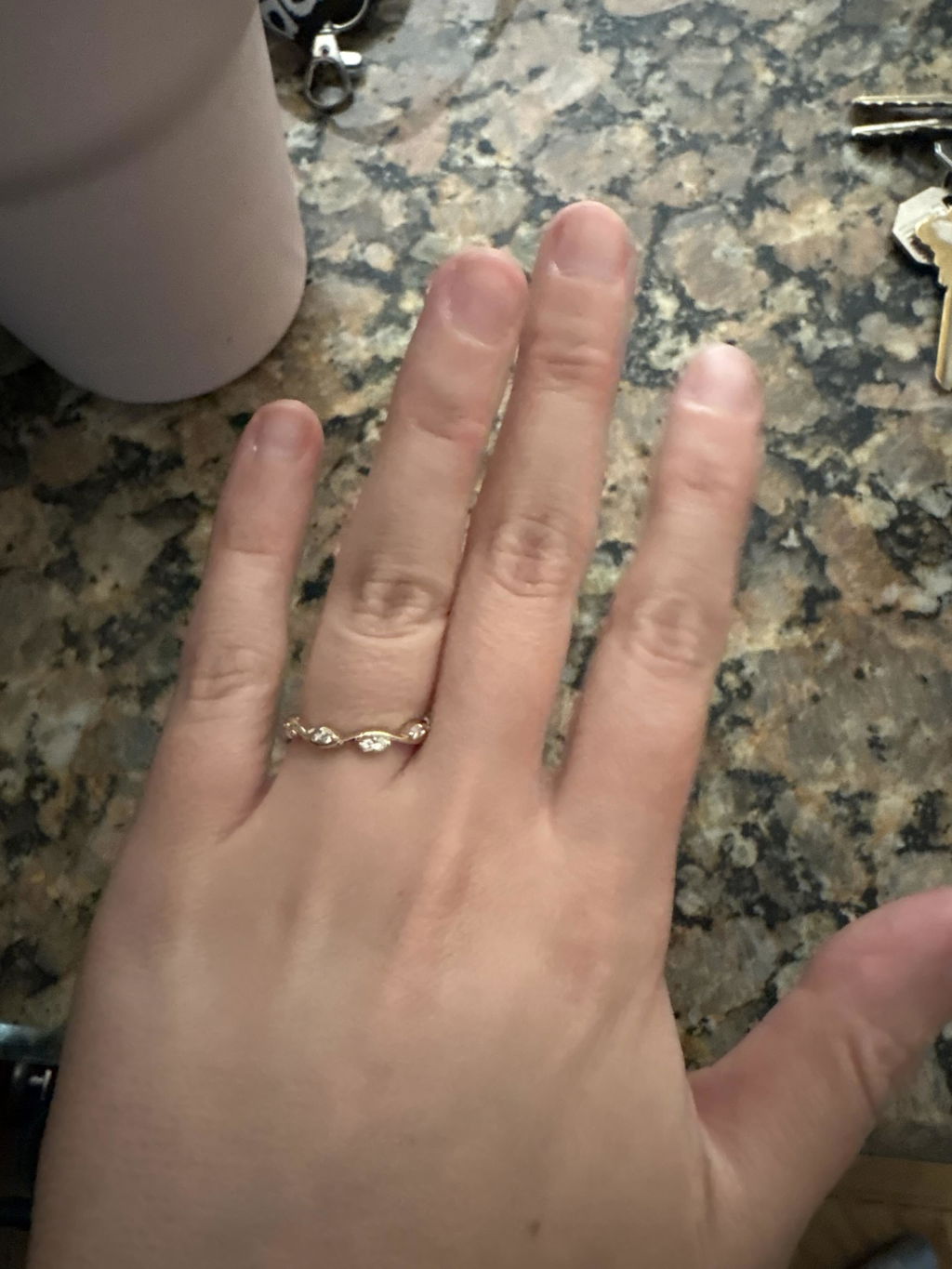
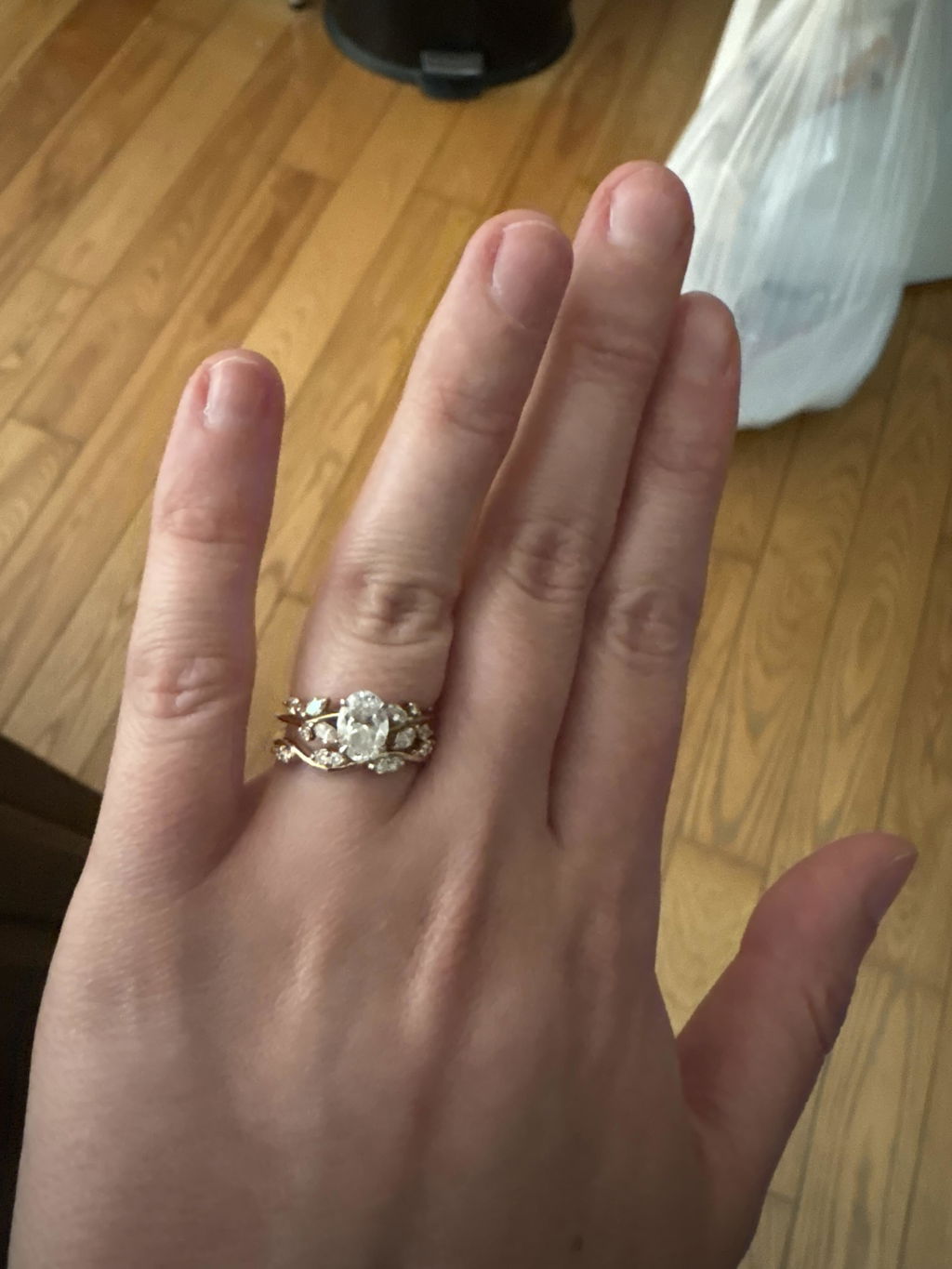
The wedding band I ordered online is perfect. It is a perfect match to my engagement ring. I struggled to find one that would match the floral design of my engagement ring, but once I came across this ring, I knew it was perfect. The ring arrived sooner than I was anticipating and surpassed my expectations.